[English Below]
សមាគមនិរន្តរភាពដីដើម្បីជីវិត (SSLA) បានរៀបចំ៖
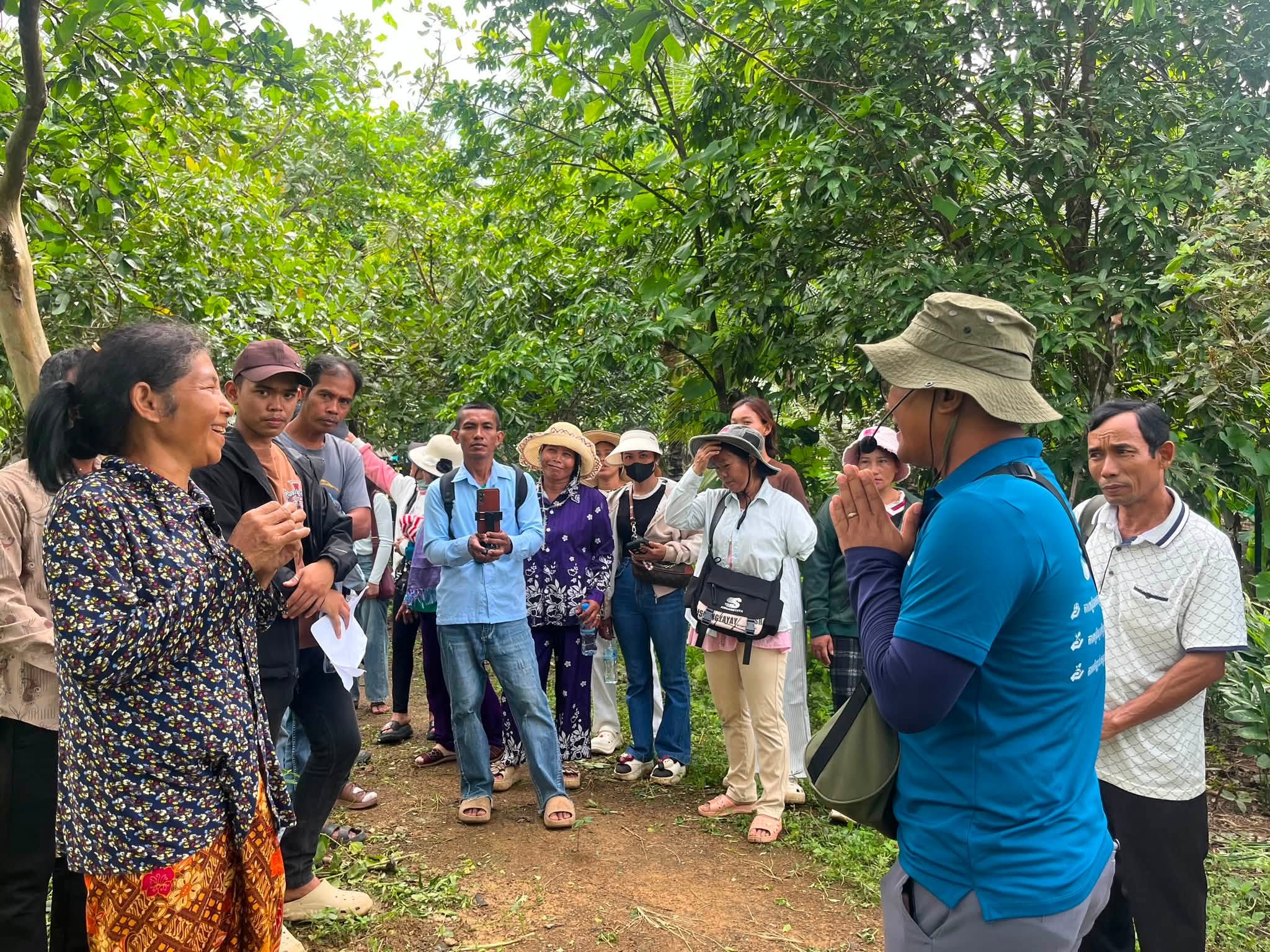
នេះមិនមែនជាការទៅ “បង្រៀន” ពីកសិករម្នាក់ទៅកសិករម្នាក់ទេ ប៉ុន្តែជាឱកាសដែល (កសិកររៀនពីគ្នា និងចែករំលែកពីគ្នា)។ អ្នកចូលរួមបាននាំយកបទពិសោធន៍ ចំណេះដឹង និងការអនុវត្តរបស់សហគមន៍ខ្លួនមកចែករំលែកជាមួយគ្នា។
ក្នុងការជួបជុំនេះ កសិករបានពិភាក្សាអំពីការដាំដុះ ចាប់ពី (ការជ្រើសរើស និងរក្សាទុកពូជ ការរៀបចំដី ការដាំ និងថែទាំដំណាំ រហូតដល់ការប្រមូលផល)។ ពួកគេក៏បានចែករំលែកទំនៀមទម្លាប់ប្រពៃណី និងចំណេះដឹងមូលដ្ឋានដែលត្រូវបានថែរក្សា និងបន្តពីជំនាន់មួយទៅជំនាន់មួយ។
អ្វីដែលធ្វើឱ្យការផ្លាស់ប្ដូរនេះមានអត្ថន័យ គឺ (ភាពខុសគ្នានៃទីកន្លែង និងបរិបទនៃការធ្វើកសិកម្ម)។ កសិករនៅស្រុកឯកភ្នំមានបទពិសោធន៍ក្នុងការធ្វើកសិកម្មនៅតំបន់រាបស្មើ ដែលប្រឈមនឹងការជន់លិច ខណៈកសិករនៅស្រុកសំឡូតមានបទពិសោធន៍ក្នុងការដាំដុះនៅតំបន់ជម្រាលភ្នំ និងតំបន់ខ្ពង់រាប។
តាមរយៈការចែករំលែកនេះ កសិករបានយល់ថា (គ្មានវិធីសាស្ត្រកសិកម្មតែមួយដែលសមស្របសម្រាប់គ្រប់ទីកន្លែងនោះទេ)។ ចំណេះដឹង និងបទពិសោធន៍របស់កសិករនីមួយៗមានតម្លៃ ហើយអាចជាប្រភពគំនិតថ្មីសម្រាប់អ្នកដទៃ ប្រសិនបើត្រូវបានសម្របឱ្យសមស្របនឹងដី ទឹក ភូមិសាស្ត្រ និងអាកាសធាតុនៃតំបន់នោះ។
 “លើសពីចំណេះដឹង គឺកម្លាំងចិត្ត។”
ក្នុងបរិយាកាសដ៏សាមញ្ញ និងកក់ក្តៅ កសិករបានចែករំលែកទាំងភាពជោគជ័យ និងបញ្ហាប្រឈមដែលពួកគេជួបប្រទះ។ ការស្តាប់បទពិសោធន៍របស់គ្នា និងការមើលឃើញការអនុវត្តជាក់ស្តែង បានផ្តល់គំនិតថ្មី ការយល់ចិត្ត និងកម្លាំងចិត្តឱ្យពួកគេបន្តសាកល្បង និងកែលម្អការងាររបស់ខ្លួន។
សកម្មភាពនេះបានបង្កើត (ស្ពាននៃការរៀនសូត្រ ការគោរព និងការយល់ចិត្តគ្នារវាងសហគមន៍កសិករ)។ ការជួបគ្នារវាងកសិករខ្មែរ និងកសិករជនជាតិដើមភាគតិច ក៏ជាការរំលឹកថា ចំណេះដឹងអំពីកសិកម្មមិនមានតែនៅក្នុងសៀវភៅ ឬបន្ទប់បណ្តុះបណ្តាលទេ ប៉ុន្តែមាននៅក្នុង (ដី ស្រែ ចម្ការ និងបទពិសោធន៍រស់នៅរបស់ប្រជាកសិករ)។
តាមរយៈការរៀនពីគ្នា និងគាំទ្រគ្នា កសិករបានបន្តស្វែងរកវិធីសាស្ត្រដែលសមស្របសម្រាប់សហគមន៍របស់ខ្លួន ដើម្បីពង្រឹង (កសិកម្មកសិអេកូឡូស៊ី ប្រព័ន្ធចំណីអាហារប្រកបដោយនិរន្តរភាព និងភាពធន់នឹងការប្រែប្រួលអាកាសធាតុ)។
ពីសហគមន៍មួយទៅសហគមន៍មួយ — ចំណេះដឹងត្រូវបានចែករំលែក បទពិសោធន៍ត្រូវបានបន្ត ហើយកម្លាំងចិត្តត្រូវបានបង្កើតឡើងជាមួយគ្នា។ ![🌾]()
![🤝]()
![🌱]()


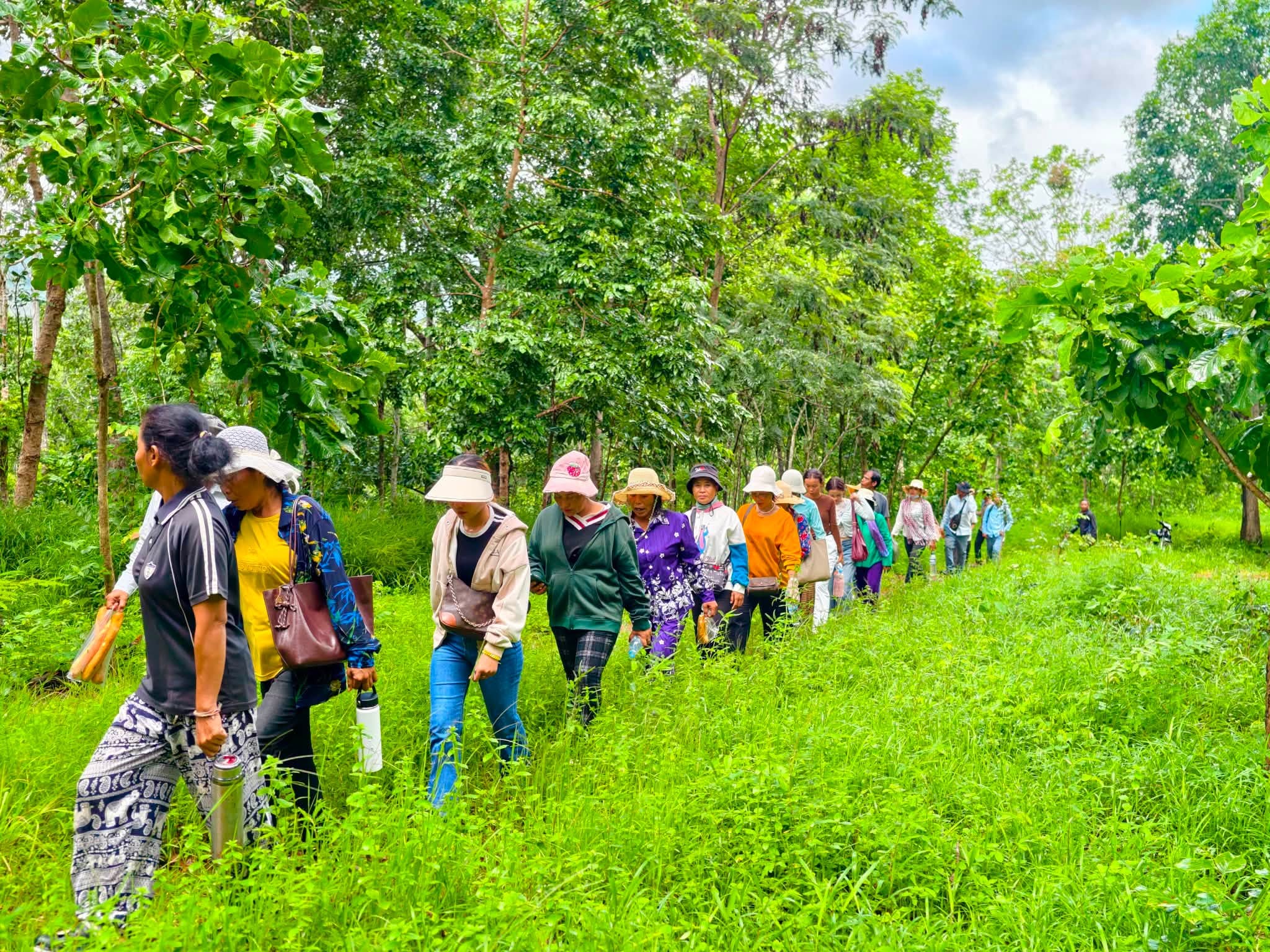
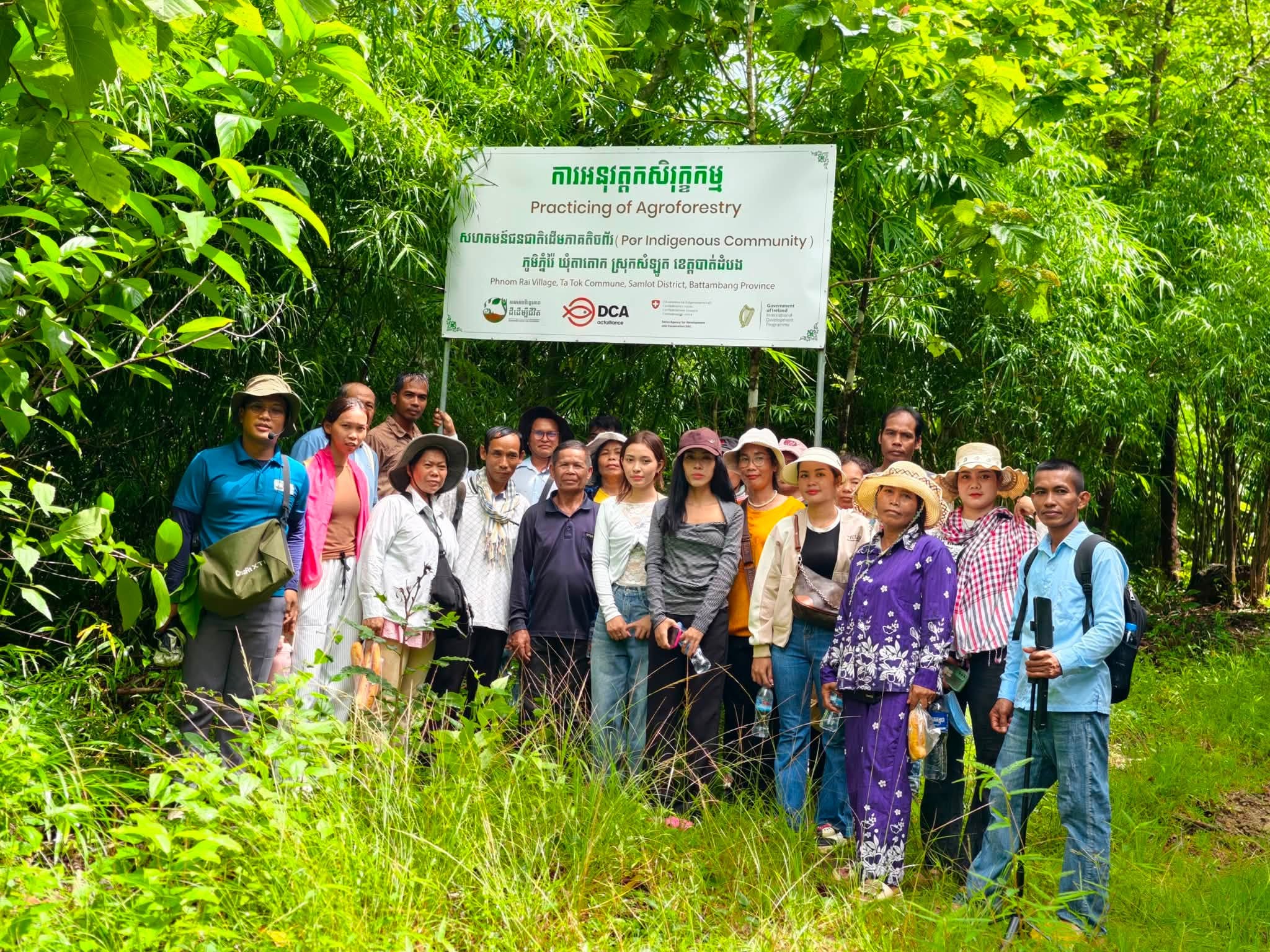
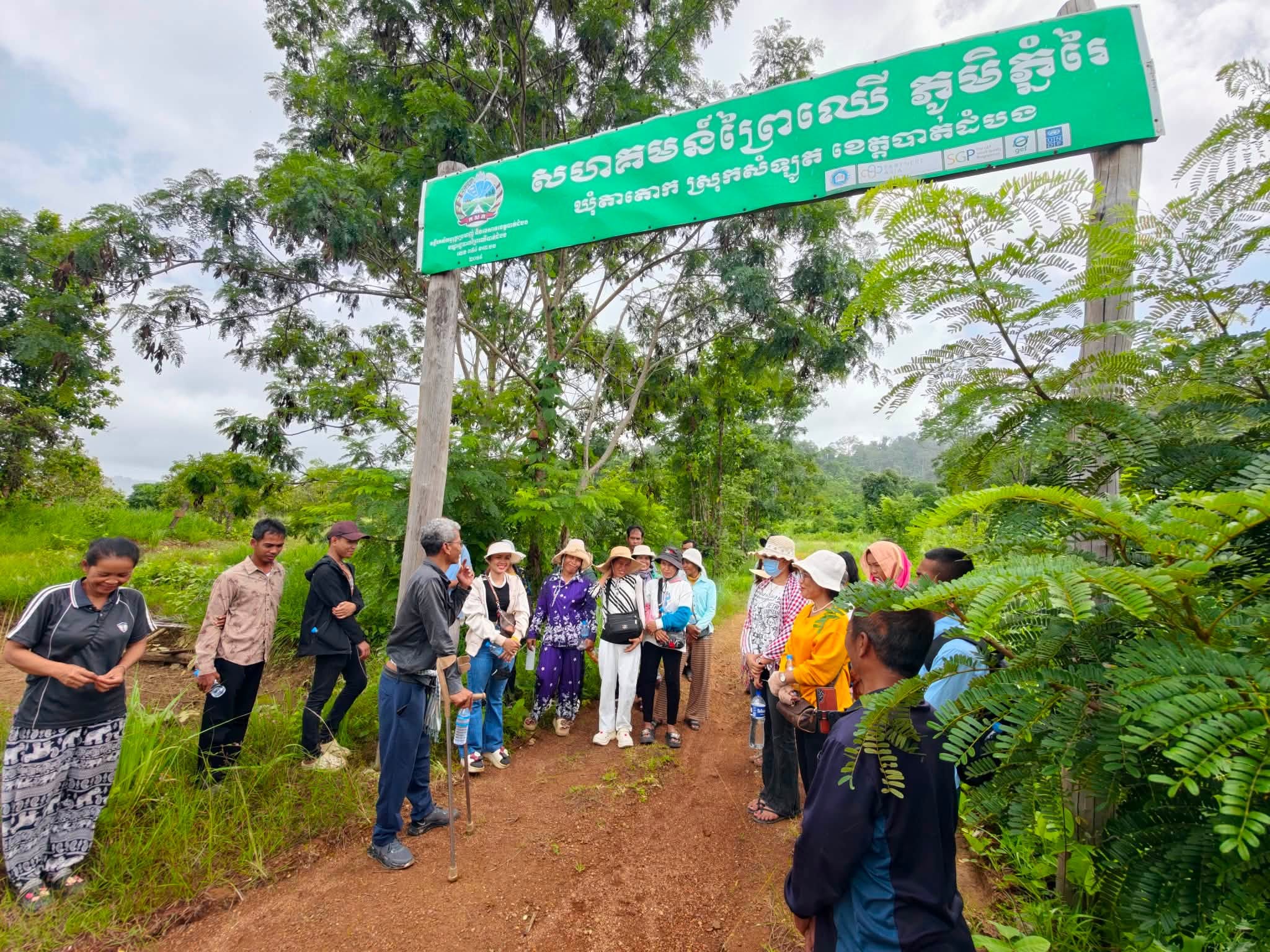
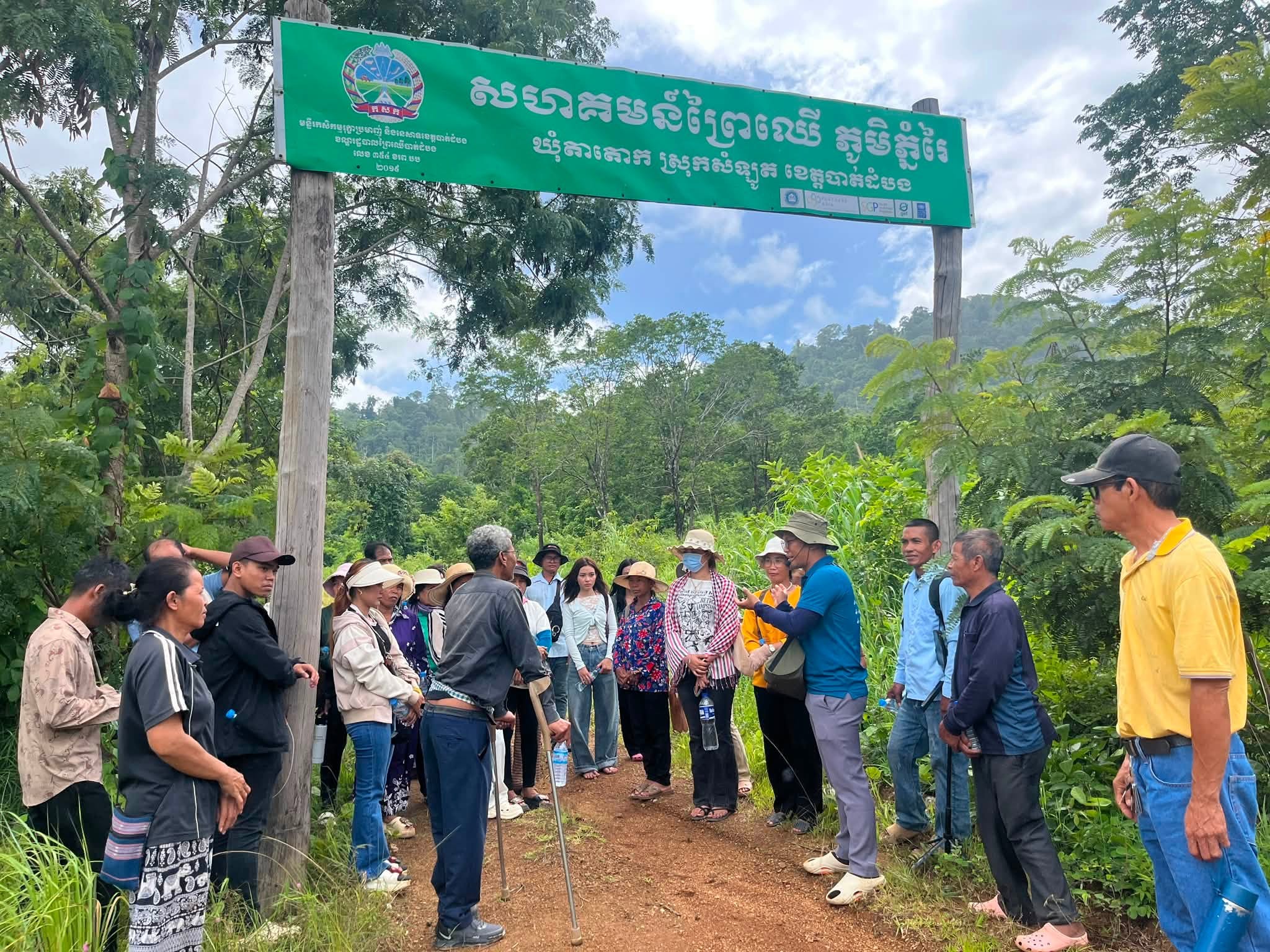
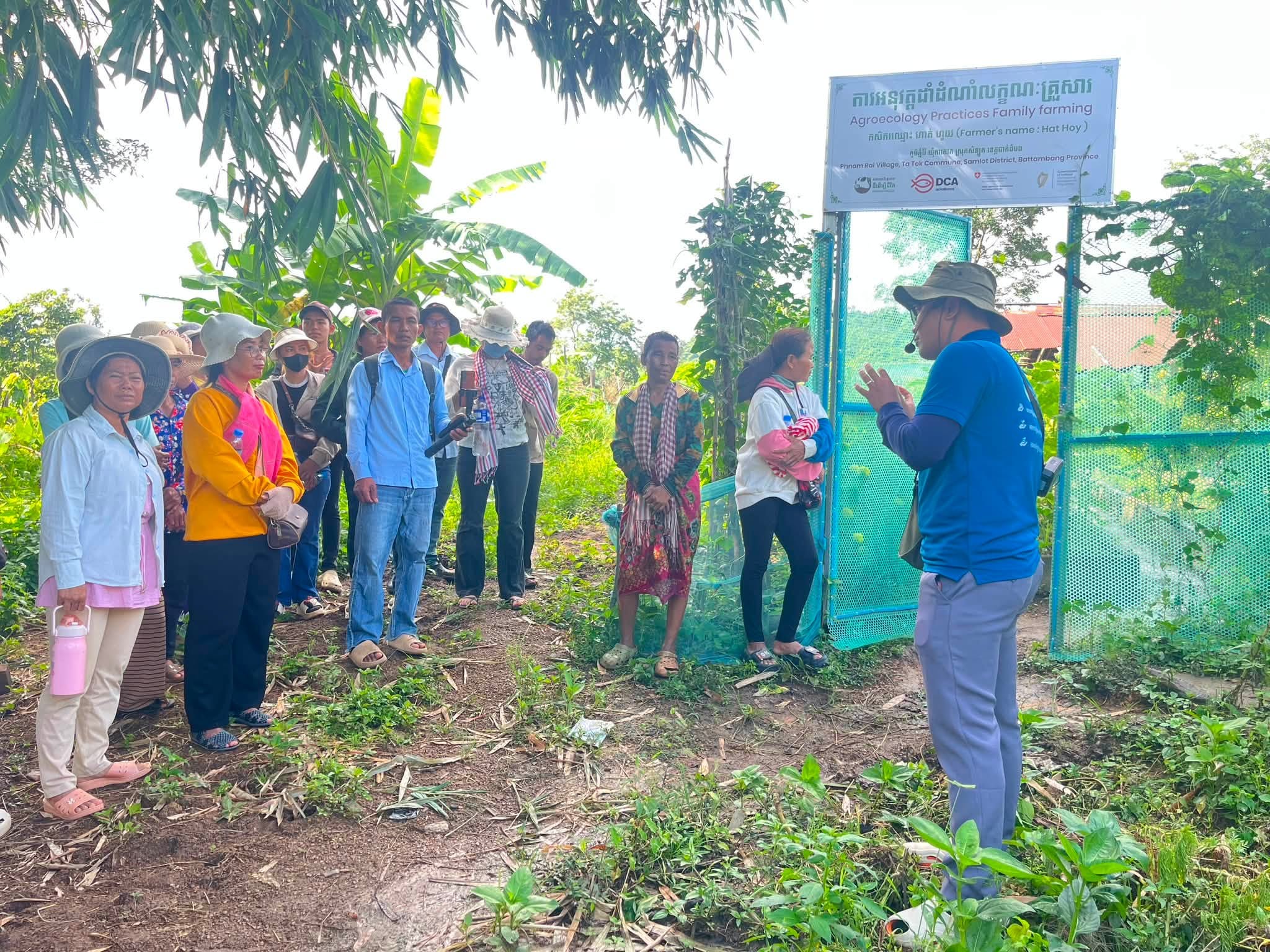
Sustainable Soil for Life Association (SSLA) organized a Farmer-to-Farmer Exchange and Study Visit, creating a platform for farmers from Ek Phnom District to meet, connect, and learn alongside Indigenous farming communities in Phnom Rai Village, Ta Taok Commune, Samlout District, Battambang Province.
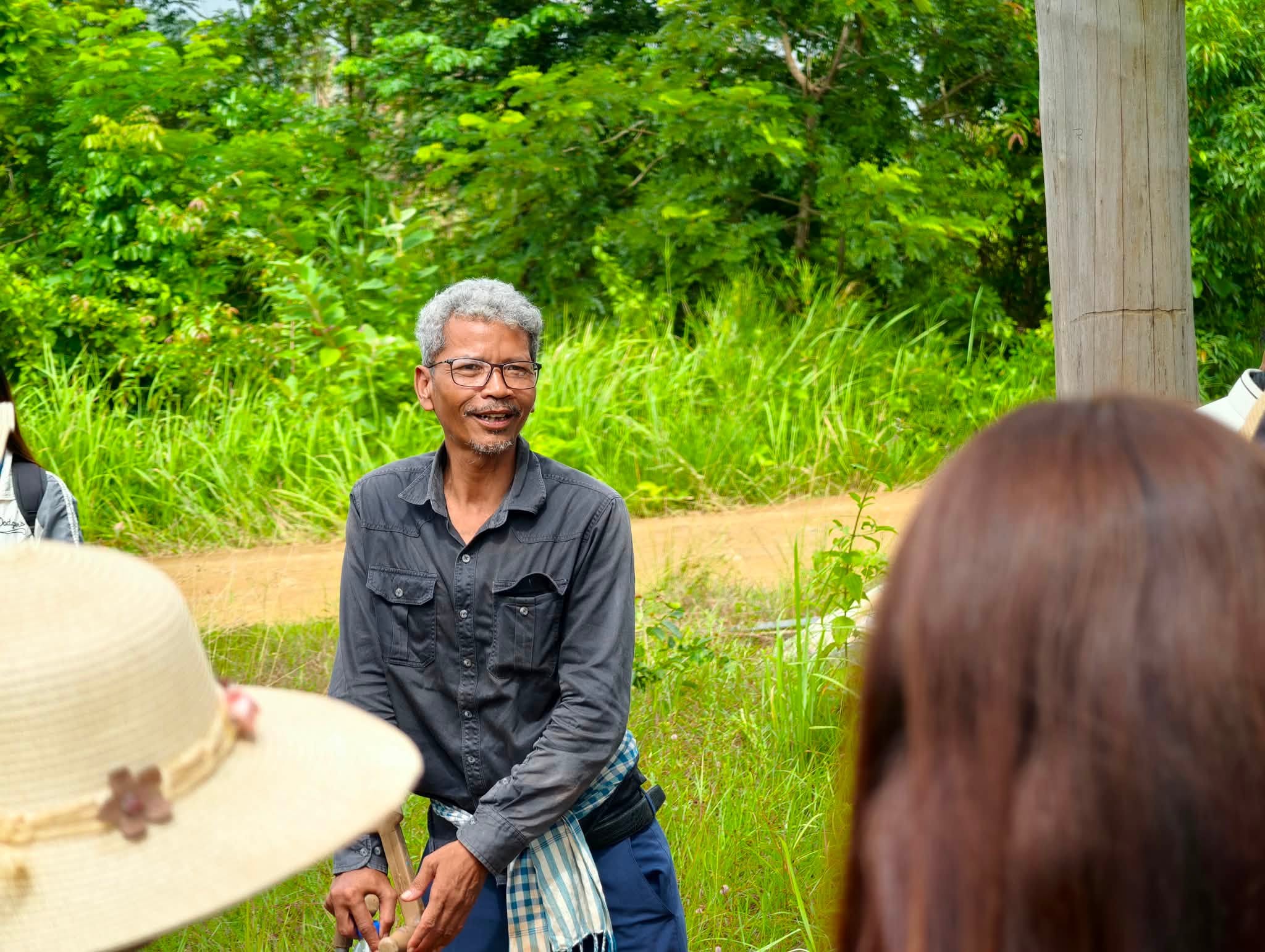
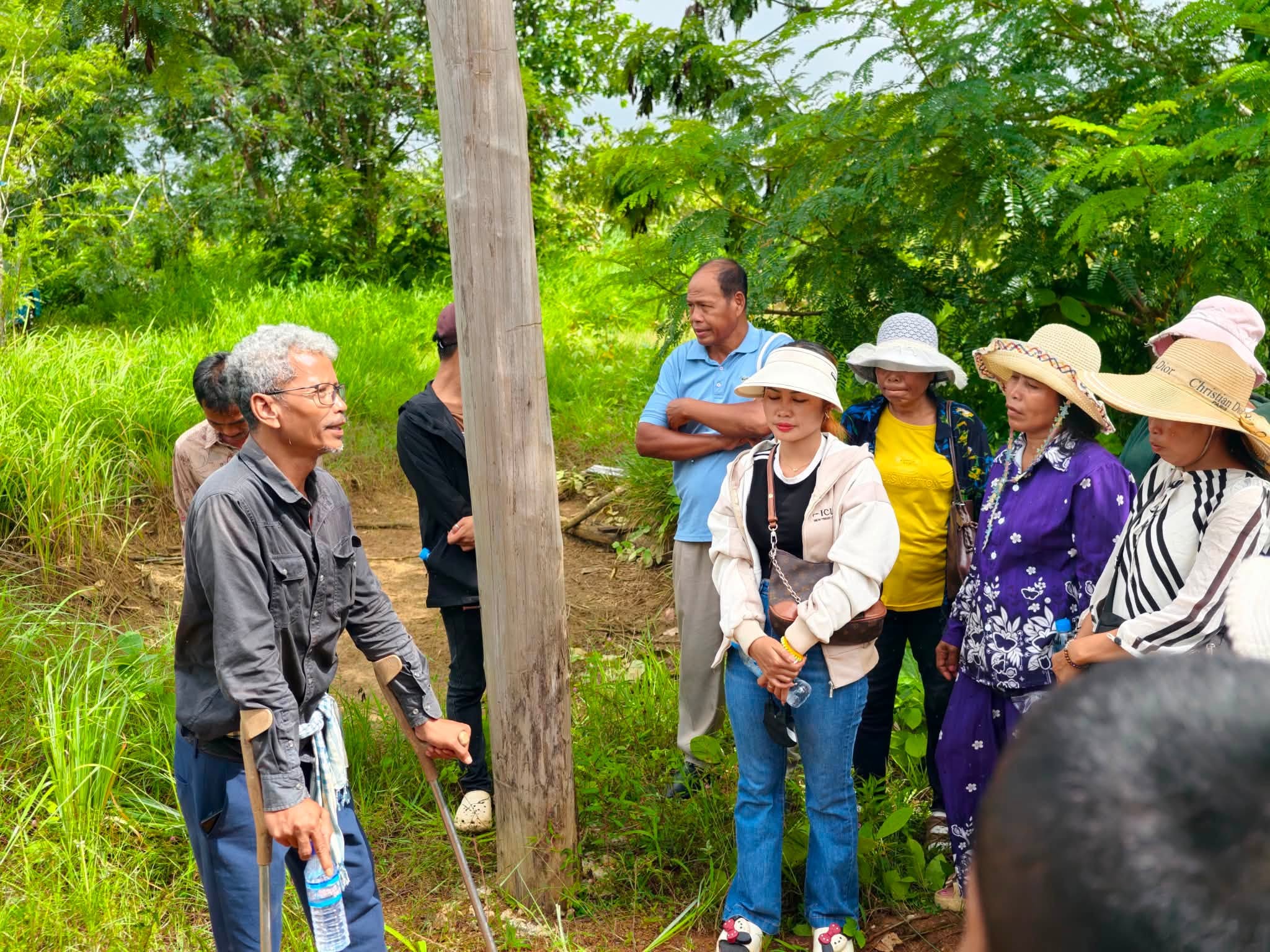
This was not about one farmer “teaching” another. Instead, it provided a friendly and open space for farmers to learn from one another and share their knowledge and experiences in sustainable agroecological farming.
Farmers brought their own farming practices, local knowledge, and community experiences to exchange, discuss, and reflect on together.
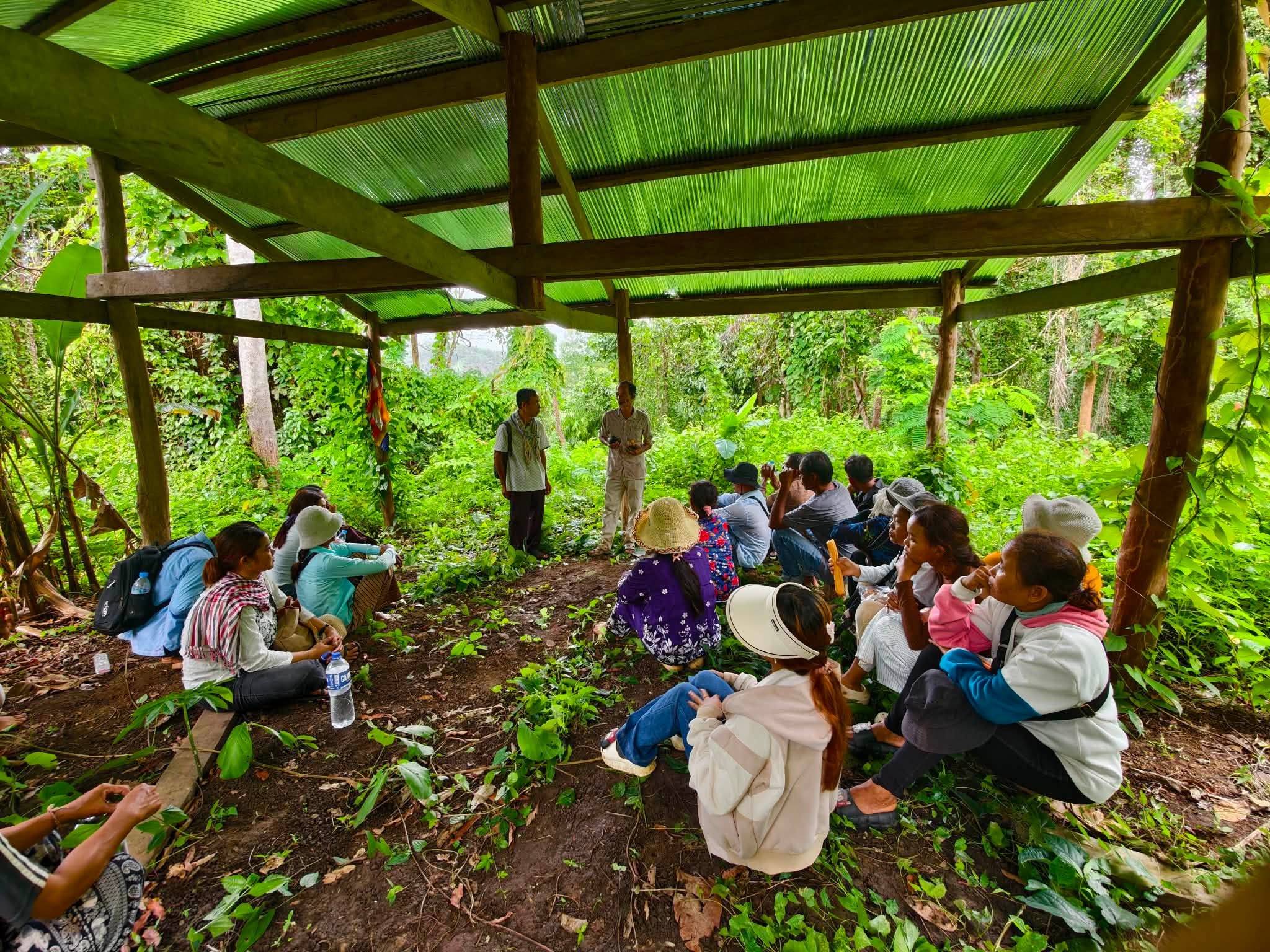
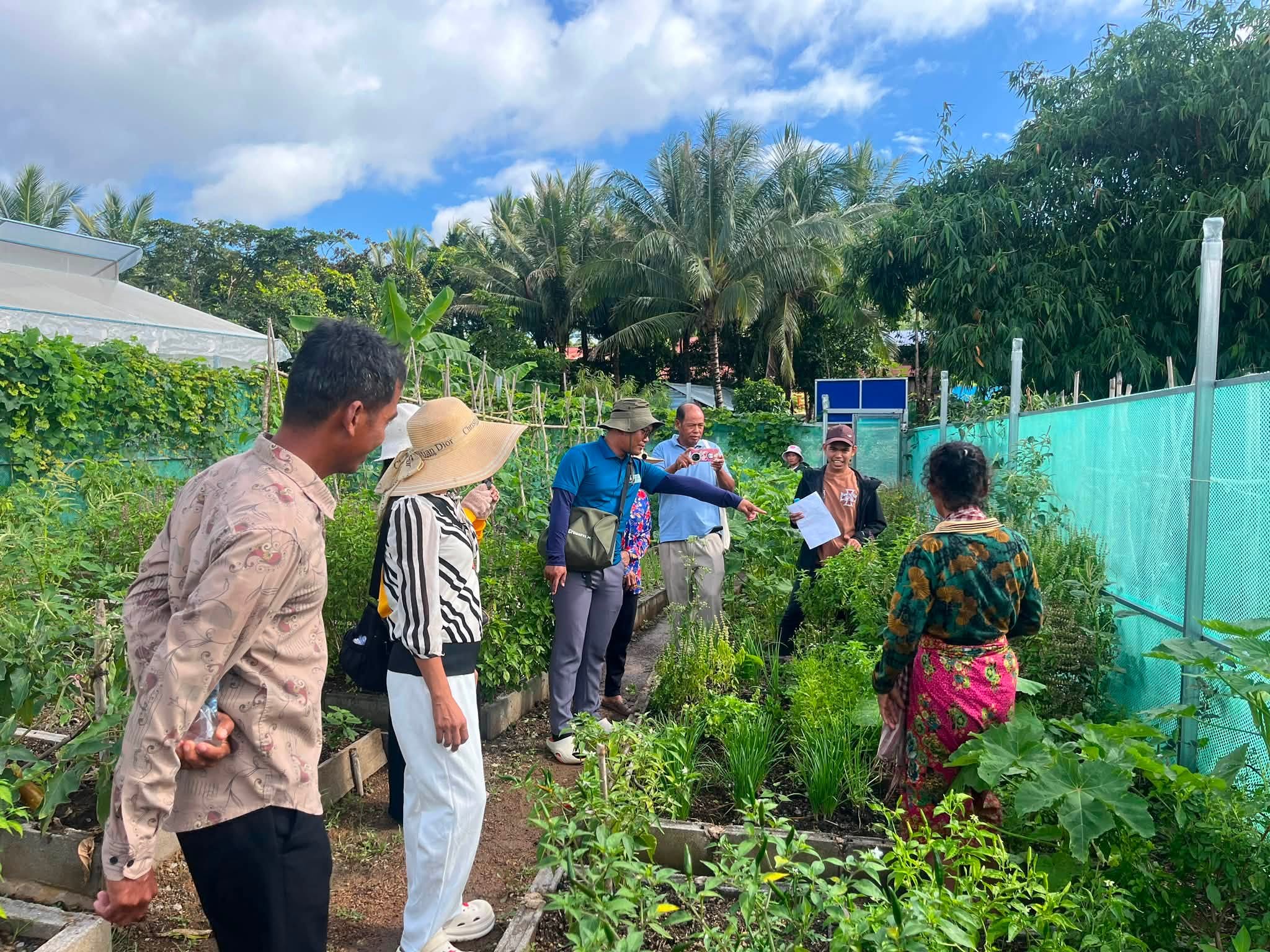
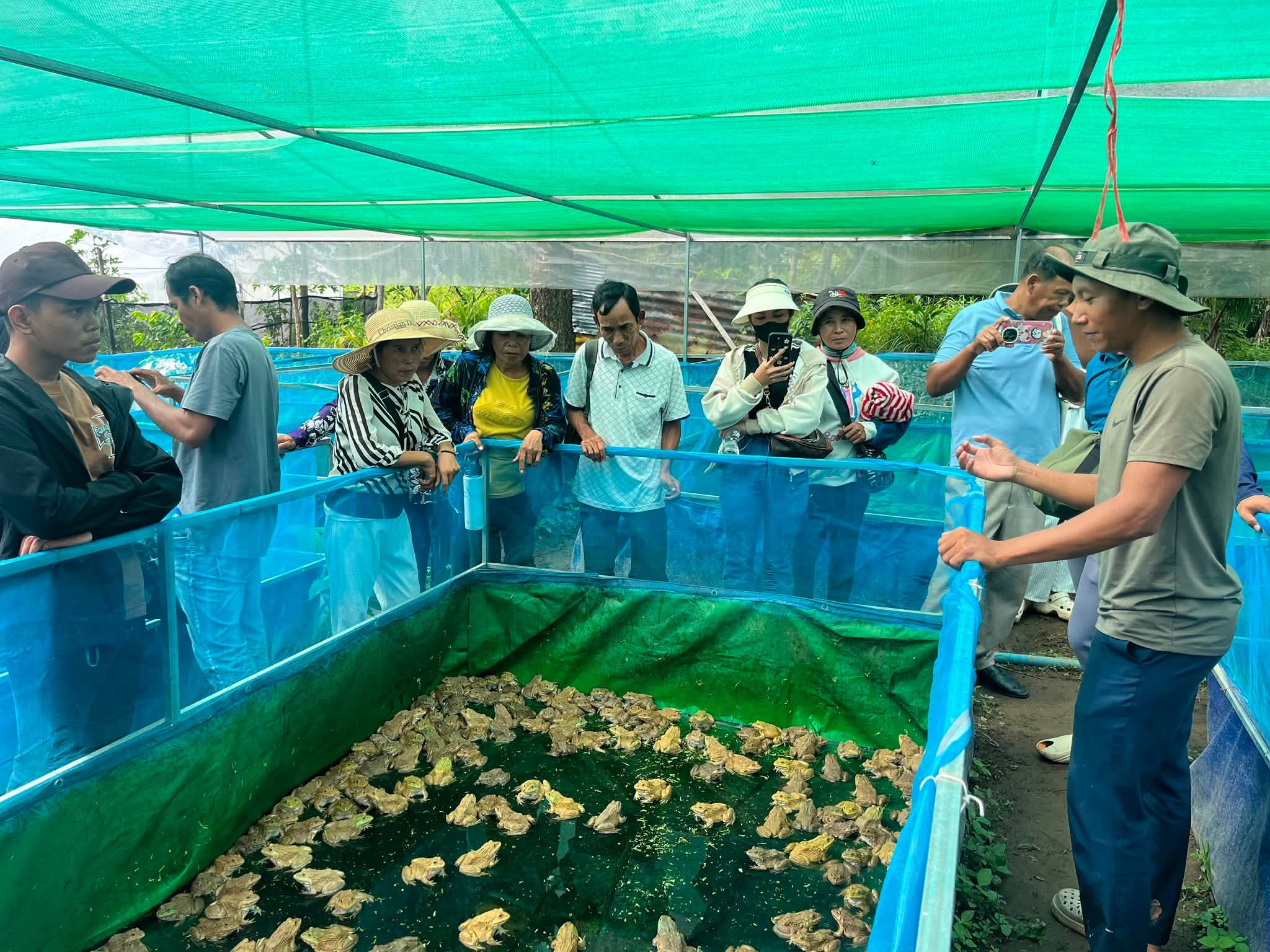
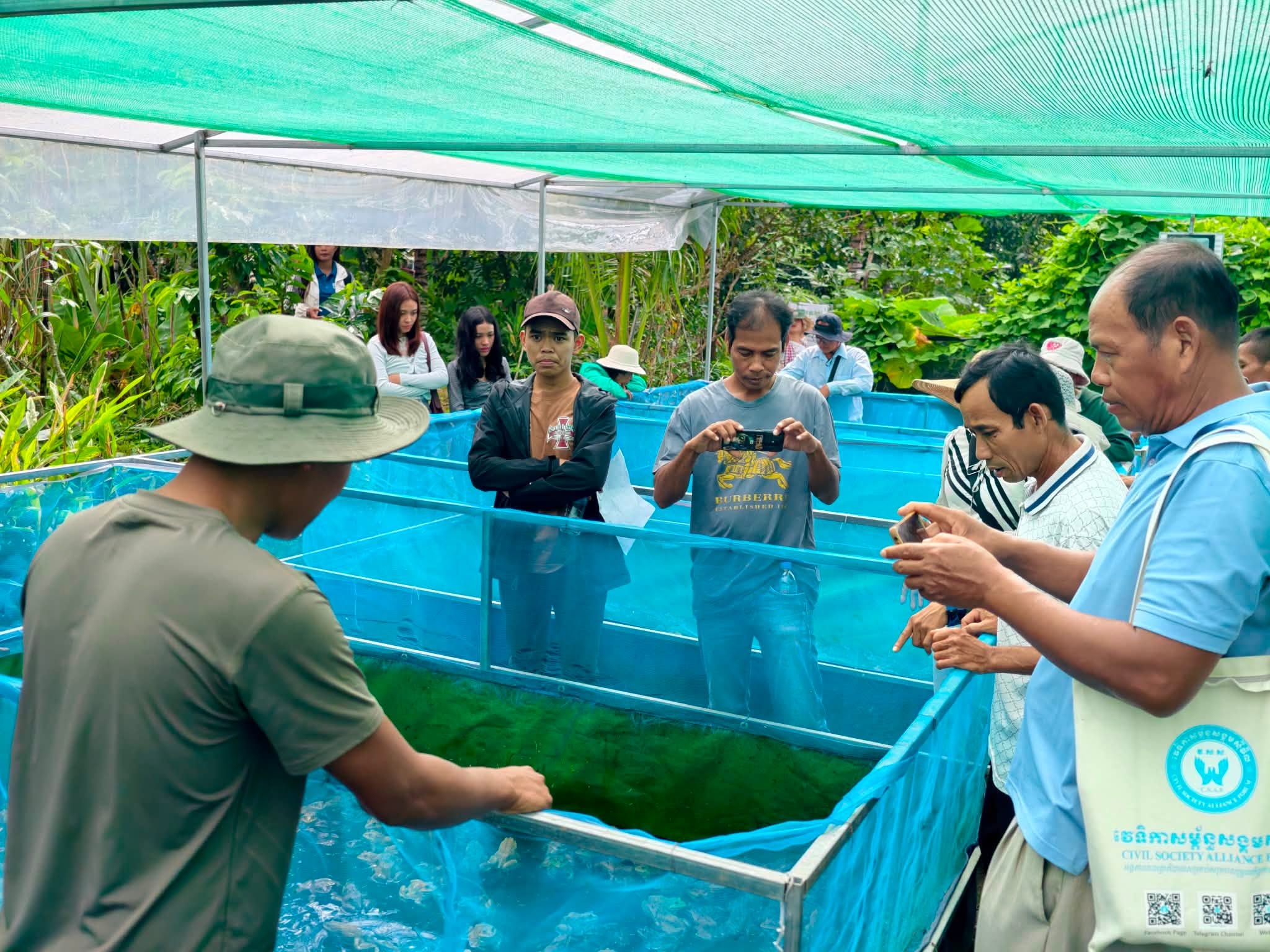
During the visit, farmers discussed the entire farming process from (seed selection and preservation, land preparation, planting, and crop care to harvesting). They also shared traditional practices and local knowledge that have been carefully preserved and passed down from generation to generation.
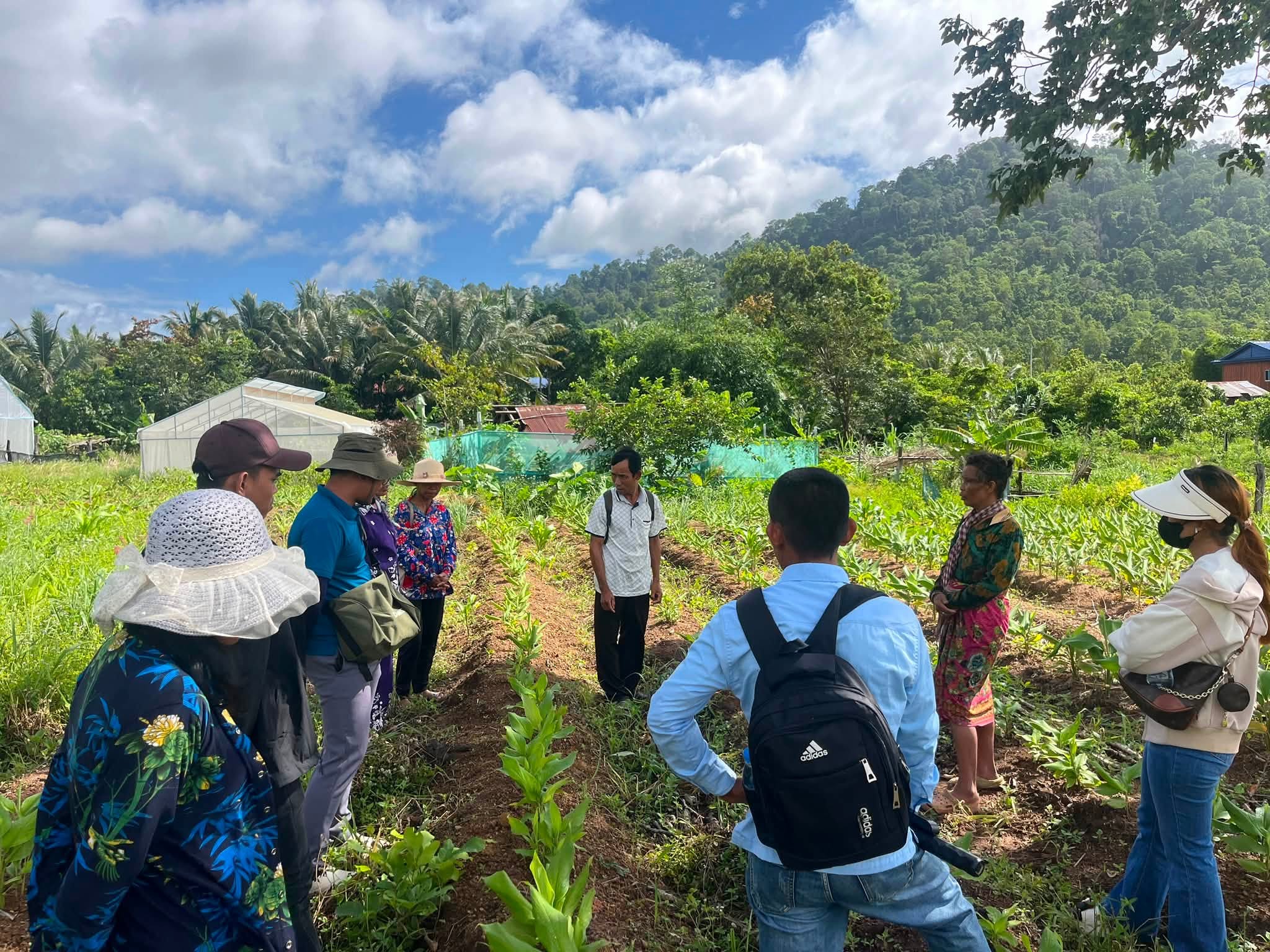
What made this exchange especially meaningful was the diversity of landscapes and farming contexts. Farmers from Ek Phnom have experience farming in lowland areas affected by flooding, while farmers in Samlout have experience cultivating crops on mountain slopes and in upland areas.
Through these exchanges, participants recognized that there is no single farming method that works everywhere. Every farmer’s knowledge and experience has value and can inspire new ideas when adapted to local conditions, including soil, water, geography, and climate.
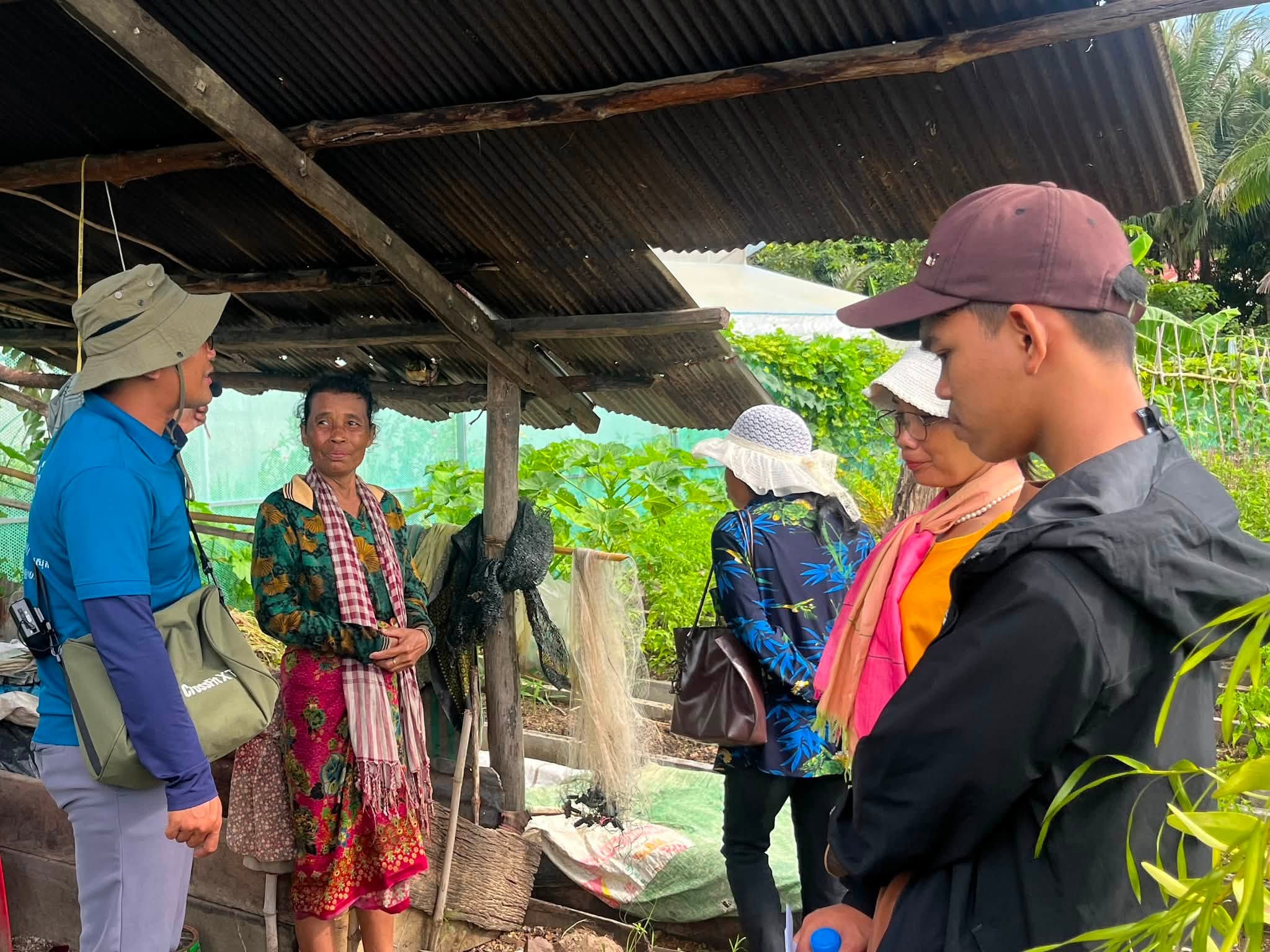
Beyond knowledge, there is encouragement.In a simple and welcoming atmosphere, farmers openly shared both their successes and the challenges they face.
Listening to one another’s stories and observing practical farming activities firsthand provided new ideas, deeper understanding, and encouragement to continue experimenting, learning, and improving their own practices.
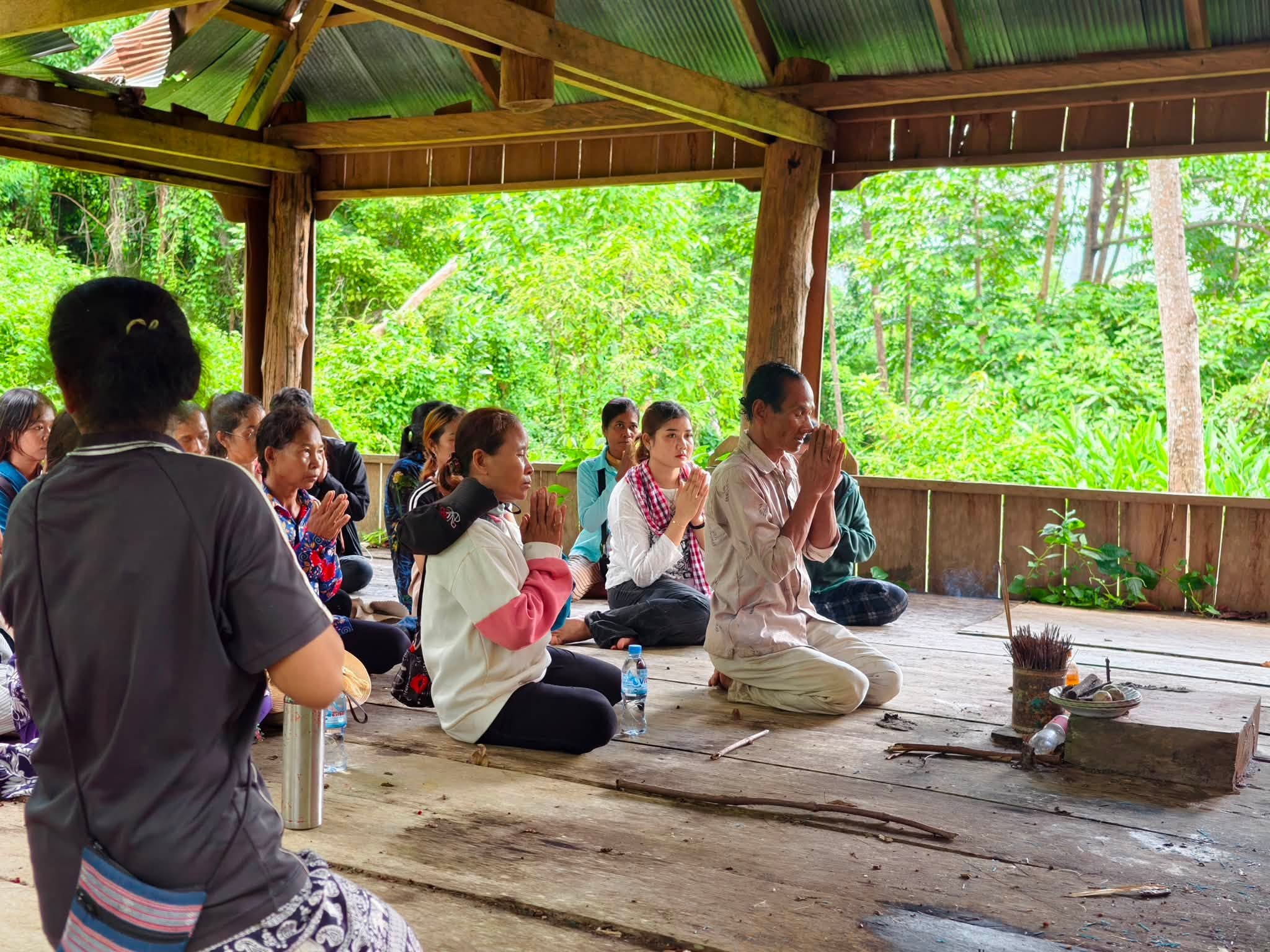
More importantly, the activity helped build a bridge of learning, respect, and mutual understanding among farming communities. Bringing together Khmer and Indigenous farmers was also a reminder that agricultural knowledge is not found only in books or training rooms—it also lives in the soil, rice fields, farms, and the everyday experiences of farming communities.
By learning from and supporting one another, farmers can continue exploring approaches that are appropriate to their local contexts and help strengthen agroecology, sustainable food systems, and resilience to climate change.
From one community to another, knowledge is shared, experience is carried forward, and encouragement grows together. ![🌾]()
![🤝]()
![🌱]()
The LAPNIR project is funded by Swiss Cooperation Mekong and Irish Embassy in Vietnam through DanChurchAid Cambodia
____________________________________
Donate and Support: https://soil4life.org/donation/payway
Contact Details:
Mobile: +855 77799901
Email: info@soil4life.org
Website: www.soil4life.org
Reach out to our Social Media:
Facebook: fb.com/Soil4Life.Org
Tittwer: twitter.com/InfoSoil4life
Instagram: https://www.instagram.com/soil4_life…
Office Address: Sala Balat Village, O’Mal Sangkat,
Battambang City, Battambang Province, Cambodia
____________________________________
#agroecology #SustainableFarming #ResilientLocalFoodSystem #ClimateAdaptation #Safefoods #IndigenousWisdom #youthempowerment #TogetherWeGrow #together #wegrowtogether #DonateUs
#SoilforLife #Soil4life #battambang #Cambodia #Donations #Support #Contribution #Agriculture #Local #NGO #Sustainable #Sustainable_Soil_for_Life_Association #Community #Association #ដីដើម្បីជីវិត #VDST #ជីវិតនិងដី