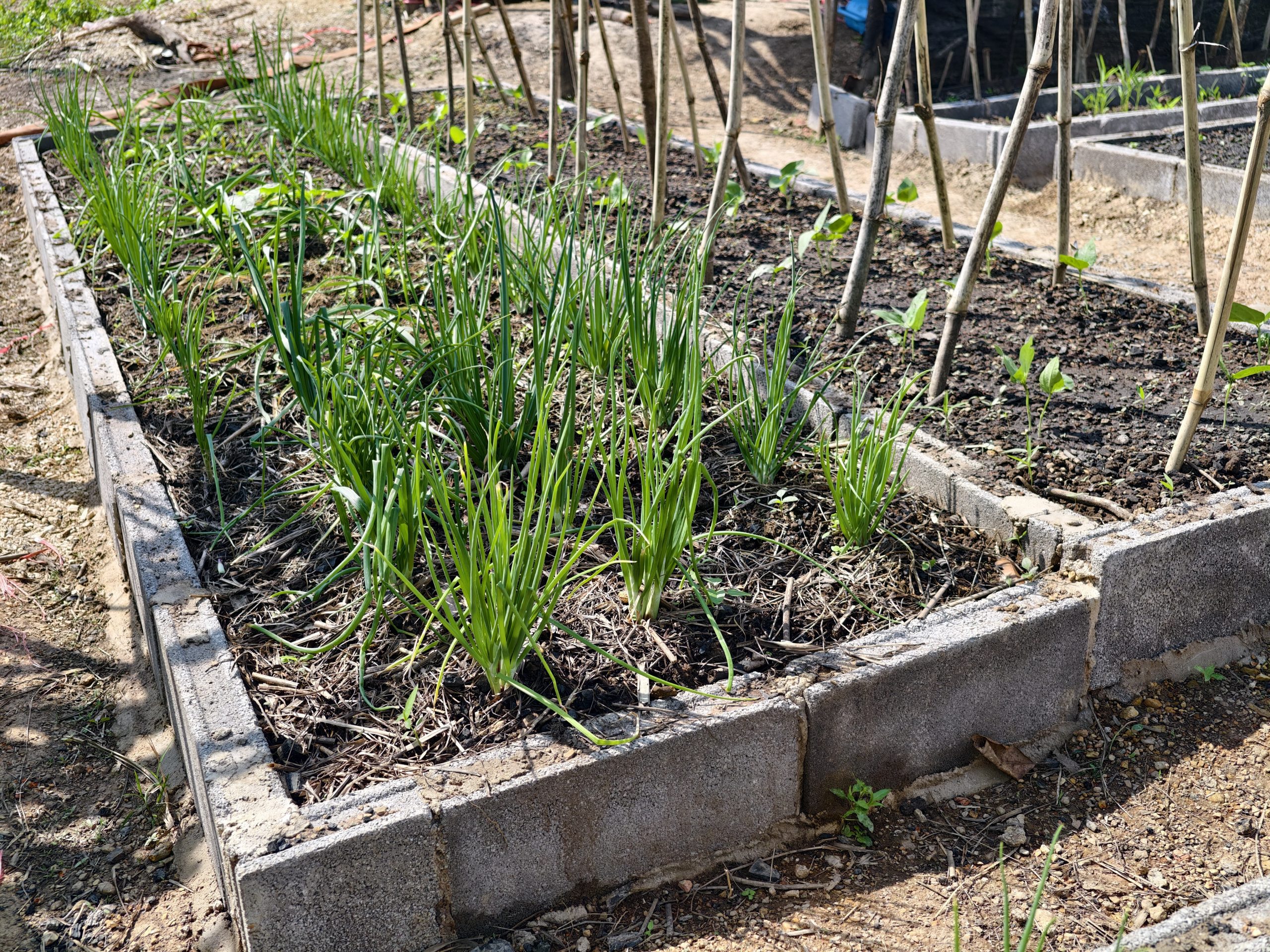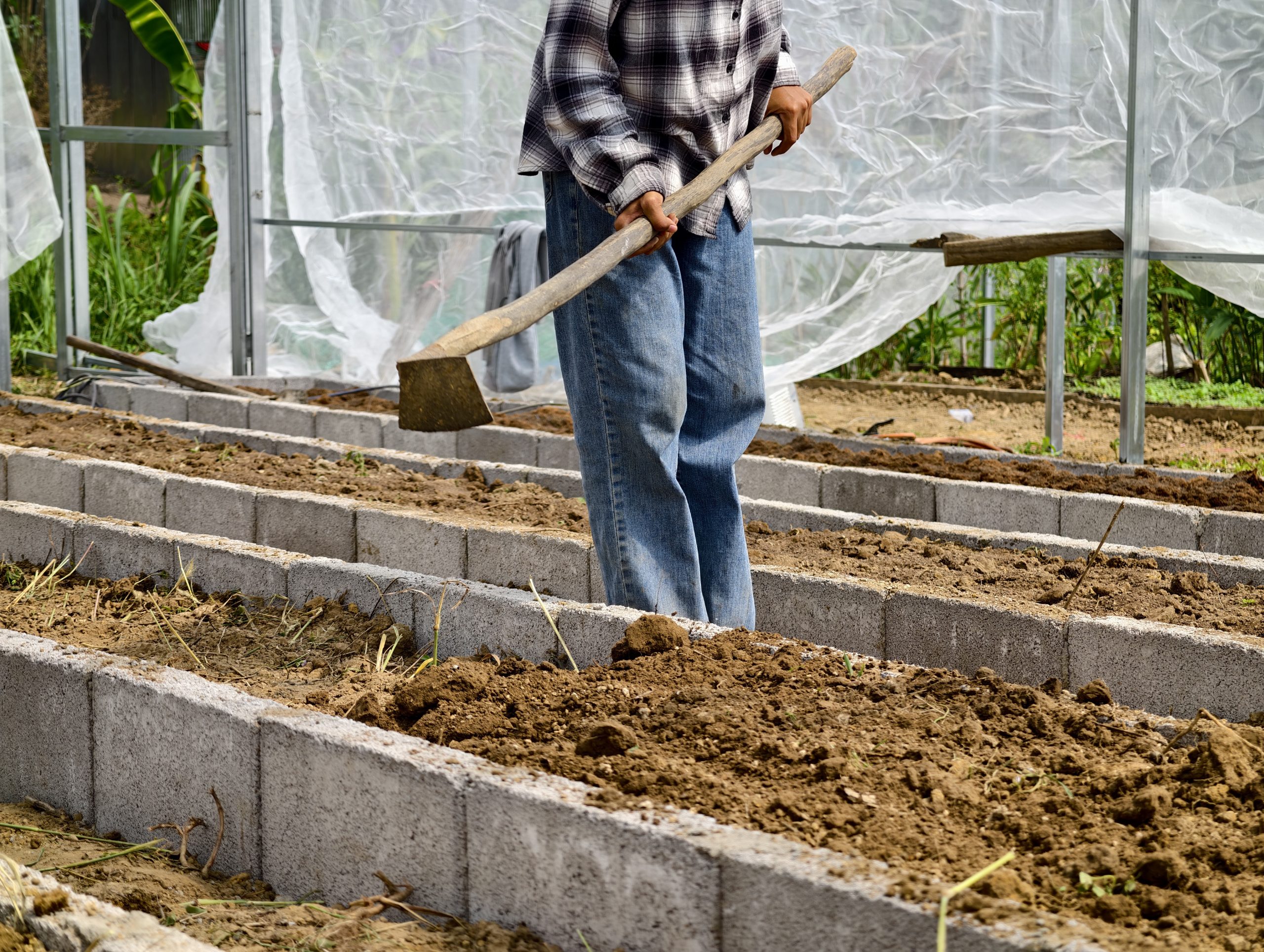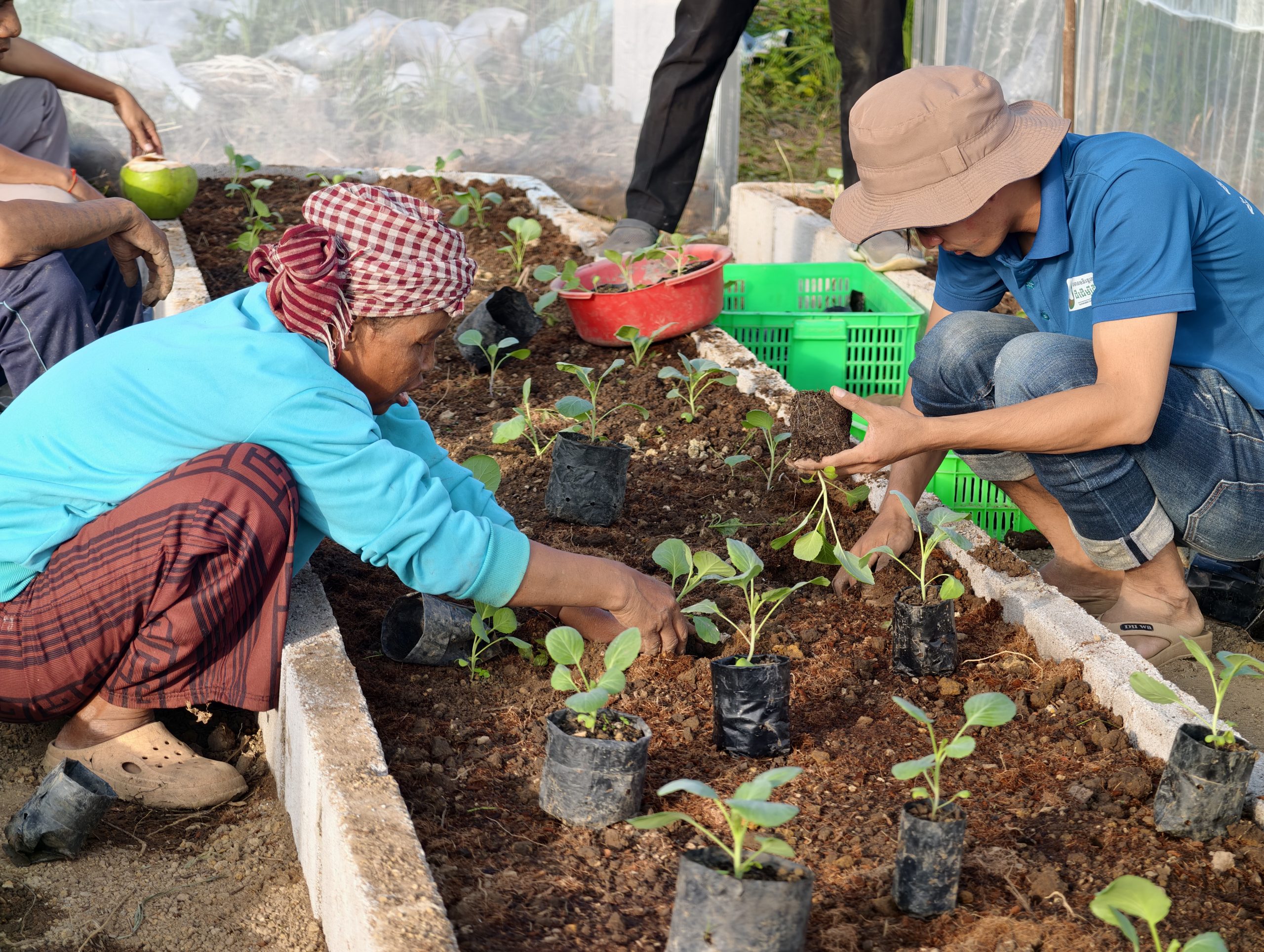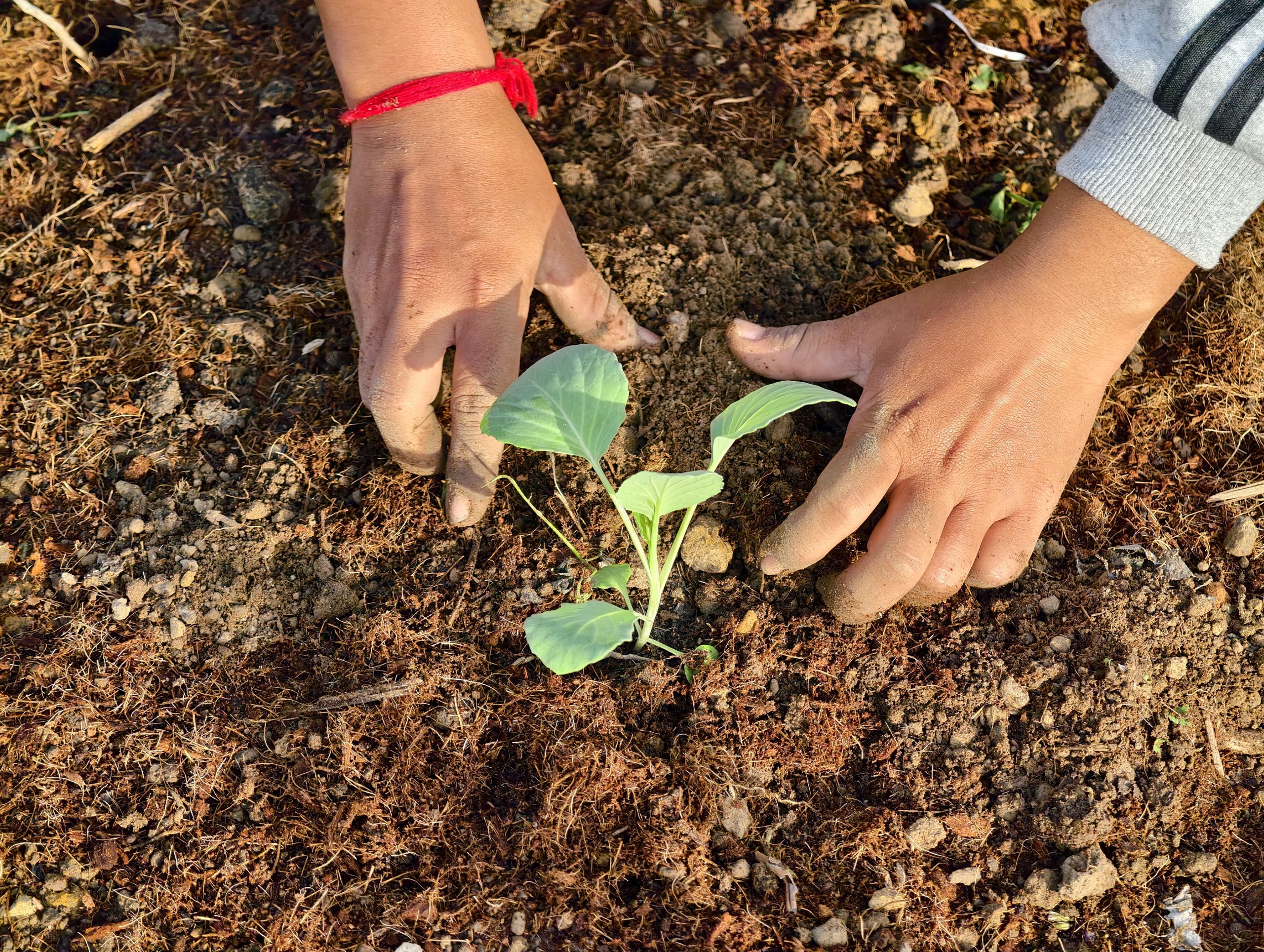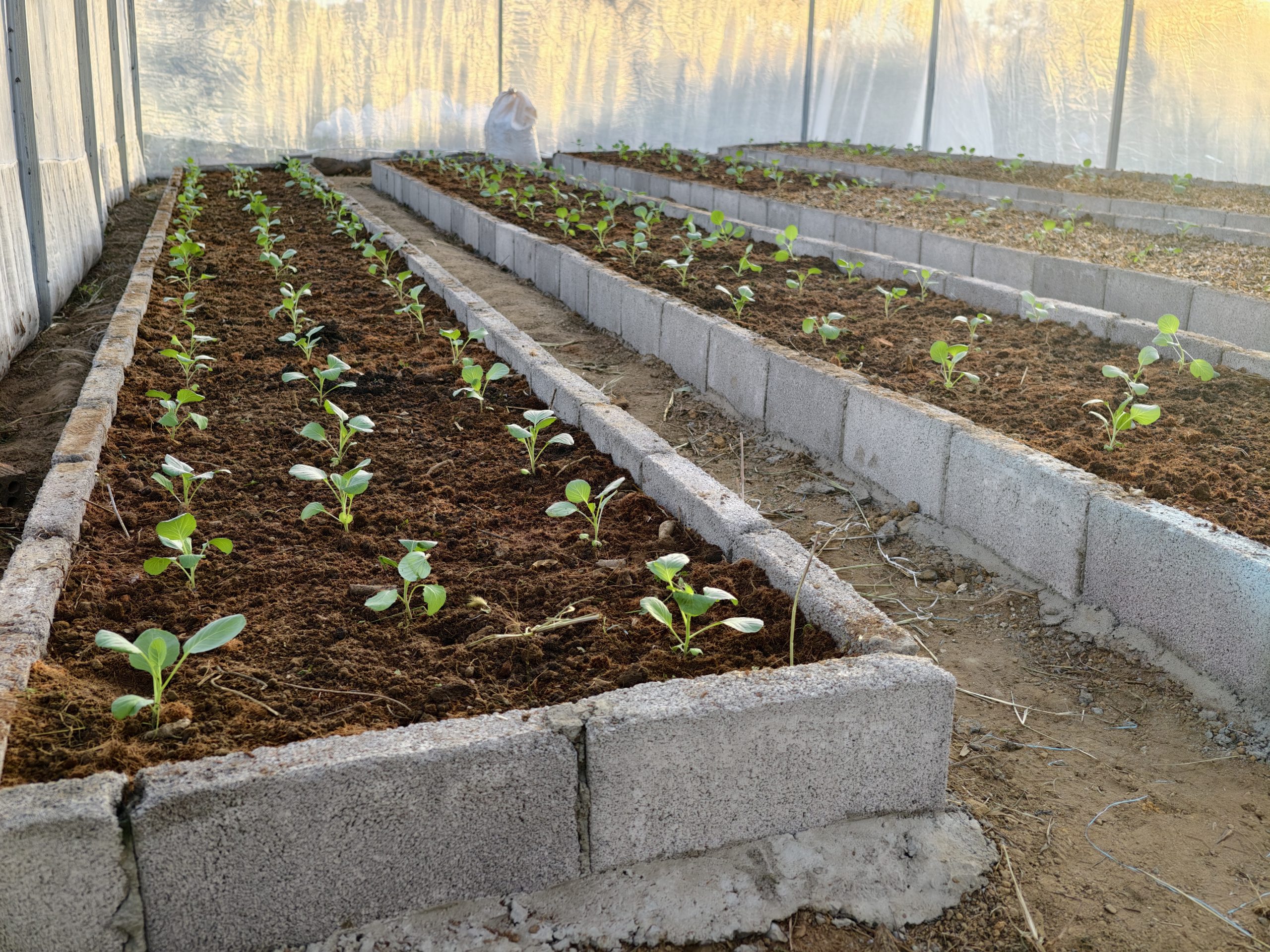
ការដាំដុះបន្លែក្នុងផ្ទះសំណាញ់ គឺជាគំរូជាក់ស្តែងមួយនៃការអនុវត្តកសិកម្មអេកូឡូស៊ី ដែលអាចបង្កើតការផ្លាស់ប្តូរដ៏មានអត្ថន័យ ទាំងលើគុណភាពដី និងលើជីវភាពរស់នៅប្រចាំថ្ងៃរបស់ប្រជាកសិករ ឲ្យកាន់តែប្រសើរឡើង និងមានស្ថិរភាពយូរអង្វែង។
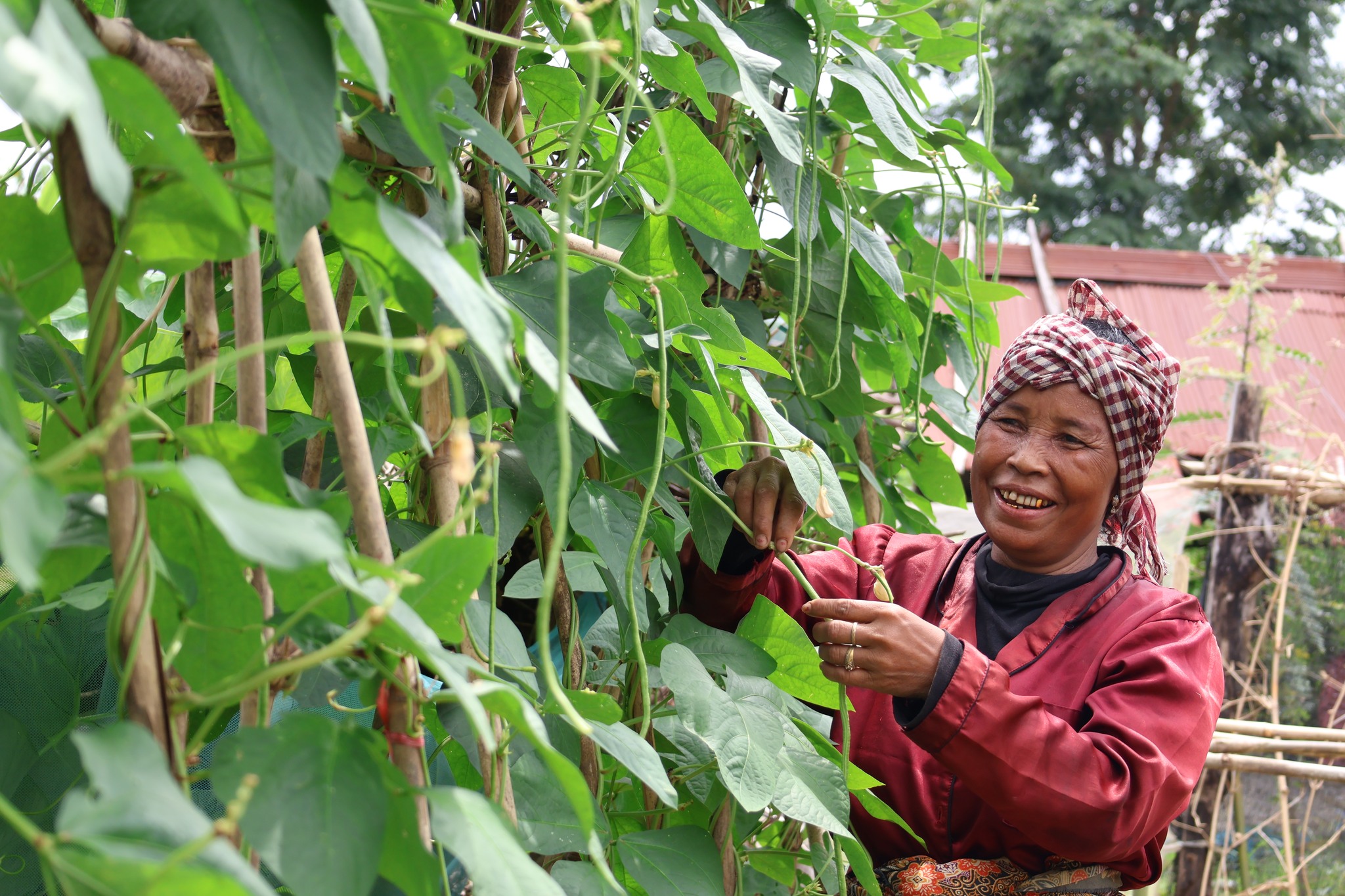
ឧទាហរណ៍ជាក់ស្តែង គឺ អ៊ុំស្រី ហាត់ ហូយ ជាកសិករស្ត្រីជនជាតិដើមភាគតិចព័រ និងជាកសិករគំរូមួយរូប។ គាត់បានខិតខំអនុវត្តកសិកម្មអេកូឡូស៊ីយ៉ាងសកម្ម និងចូលរួមចំណែកដឹកនាំសហគមន៍របស់ខ្លួន ដោយភាពទទួលខុសត្រូវ និងការប្តេជ្ញាចិត្តខ្ពស់ ក្នុងការអភិវឌ្ឍបច្ចេកទេសកសិកម្មអេកូឡូស៊ី (Agroecology)។
តាមរយៈការអនុវត្តការងារកសិកម្មរបស់គាត់ អ៊ុំស្រី ហាត់ ហូយ បានបង្ហាញឲ្យឃើញពីទំនាក់ទំនងយ៉ាងជ្រាលជ្រៅរវាង ប្រព័ន្ធស្បៀងអាហារ មនុស្ស សត្វ និងធម្មជាតិ ដែលភ្ជាប់គ្នាយ៉ាងជិតស្និត និងមានតុល្យភាព។
តាមរយៈរូបមន្ត៖
—»ចំណេះដឹងបុរាណរបស់ជនជាតិដើម
–+បន្សំជាមួយចំណេះដឹងថ្មីផ្នែកកសិកម្មអេកូឡូស៊ី
—+ការចូលរួមសហការរបស់កសិករគ្រប់រូបក្នុងសហគមន៍
= ការជំរុញឲ្យចលនាកសិកម្មអេកូឡូស៊ីរីកចម្រើនយ៉ាងមាននិរន្តភាព
ទស្សនៈរបស់គាត់បានបញ្ជាក់ថា៖
«ការធ្វើកសិកម្ម មិនមែនគ្រាន់តែជាការដាំដុះដើម្បីផលិតទិន្នផលប៉ុណ្ណោះទេ ប៉ុន្តែជាការប្តេជ្ញាចិត្តក្នុងការកសាងប្រព័ន្ធអាហារដែលមានចីរភាព ពង្រឹងភាពធន់របស់កសិករ ចំពោះបម្រែបម្រួលអាកាសធាតុ មានភាពយុត្តិធម៌ និងអាចផ្គត់ផ្គង់ស្បៀងអាហារដល់សហគមន៍បានយ៉ាងស្ថិរភាព»។
អ៊ុំស្រី ហាត់ ហូយ ក៏បានលើកឡើងថាកសិកម្មផ្ទះសំណាញ់ (NetHouse) មិនមែនជាទីកន្លែងផលិតបន្លែតែប៉ុណ្ណោះទេ ប៉ុន្តែជាវេទិកាសម្រាប់ការរៀនសូត្រ ការចែករំលែកបទពិសោធន៍ និងជាប្រភពផ្តល់កម្លាំងចិត្តដល់កសិករនៅក្នុងសហគមន៍ផងដែរ។
សមាគមនិរន្តរភាពដីដើម្បីជីវិត – Soil for Life (SSLA) បានសន្និដ្ឋានថា៖ នៅពេលកសិករជាអ្នកដឹកនាំ និងអាចអនុវត្តកសិកម្មដោយខ្លួនឯងបាន ការផ្លាស់ប្តូរបែបវិជ្ជមាននឹងអាចកើតមានឡើងបានយ៉ាងពិតប្រាកដ ហើយនិរន្តភាពនៃគម្រោងក៏នឹងត្រូវបានធានាផងដែរ។
Practicing Agroecology
(Net-House Vegetable Farming of the Por Indigenous Community, Phnom Rai)
Net-house vegetable cultivation is a concrete model of agroecological practice that can create meaningful change, both in improving soil quality and in enhancing the daily livelihoods of farmers, leading to greater resilience and long-term sustainability.
A clear example is Mrs. Hat Huy, a Por indigenous woman farmer and a role-model farmer in her community. She has actively practiced agroecology and has taken part in community leadership with a strong sense of responsibility and commitment to agroecological farming techniques.
Through her agricultural work, Harmer. Hat Huy demonstrates the deep interconnection between food systems, people, and natural elements that are closely linked and exist in balance.
This can be expressed through the following formula:
—>Indigenous traditional knowledge
–+Combined with new agroecological knowledge
–+Collective participation of all farmers within the community
= The advancement of the agroecology movement toward sustainability
Her perspective emphasizes that:
“Agriculture is not merely about cultivation to produce yields; it is a commitment to building a sustainable food system that strengthens farmers’ resilience to climate change, promotes equity, and ensures a stable food supply for the community.”
Mrs. Hat Huy further explained that Net Farming (also known as net-house agriculture) is not only a place of production, but also a platform for learning, sharing experiences, and providing encouragement and motivation among farmers.
The Soil for Life Sustainability Association (SSLA) concludes that:
When farmers take leadership and can practice agriculture independently, positive change can genuinely occur, and the sustainability of development projects can be ensured.
Land Access and Protection of Natural and Indigenous Resources (LAPNIR)
Location: Phnom Rai village, Ta Touk Commune, Somlout District, Western Battambang province.
——————–
Donate and Support: https://soil4life.org/donation/payway
Contact Details:
Mobile: +855 77799901
Email: info@soil4life.org
Website: www.soil4life.org
Reach out to our Social Media:
Facebook: fb.com/Soil4Life.Org
Tittwer: twitter.com/InfoSoil4life
Instagram: https://www.instagram.com/soil4_life…
Office Address: O’takorm II Village, TuoltaEk Commune, Battambang City, Cambodia.
________________________________________